
Chapter 18: Maria do Rosário
My first Portuguese friend

Chapter 18: Maria do Rosário
“I’d like to invite some neighbours in for a cup of tea,” I said to Luís one day.
He looked alarmed.
“This isn’t England. You can’t just invite people in. Não lhes dar confiança.”
“It’s only tea,” I said. “It’s just friendly.”
“You don’t understand how it works here. If you invite them in, it will be hard to manage their expectations later.”
This was confusing to me, but I didn’t invite them in. Later, I would understand that boundaries, once crossed, are not easily redrawn.
Nevertheless, I smiled, chatted over the wall. I chatted by the vans which stopped in front of the flats, selling fish, bread, fruit and vegetables. They blared loud songs by Minho singers that sounded, to me, abrasive and out of tune. Then the women would scurry down the slope, with their purses and baskets, talking as they went.
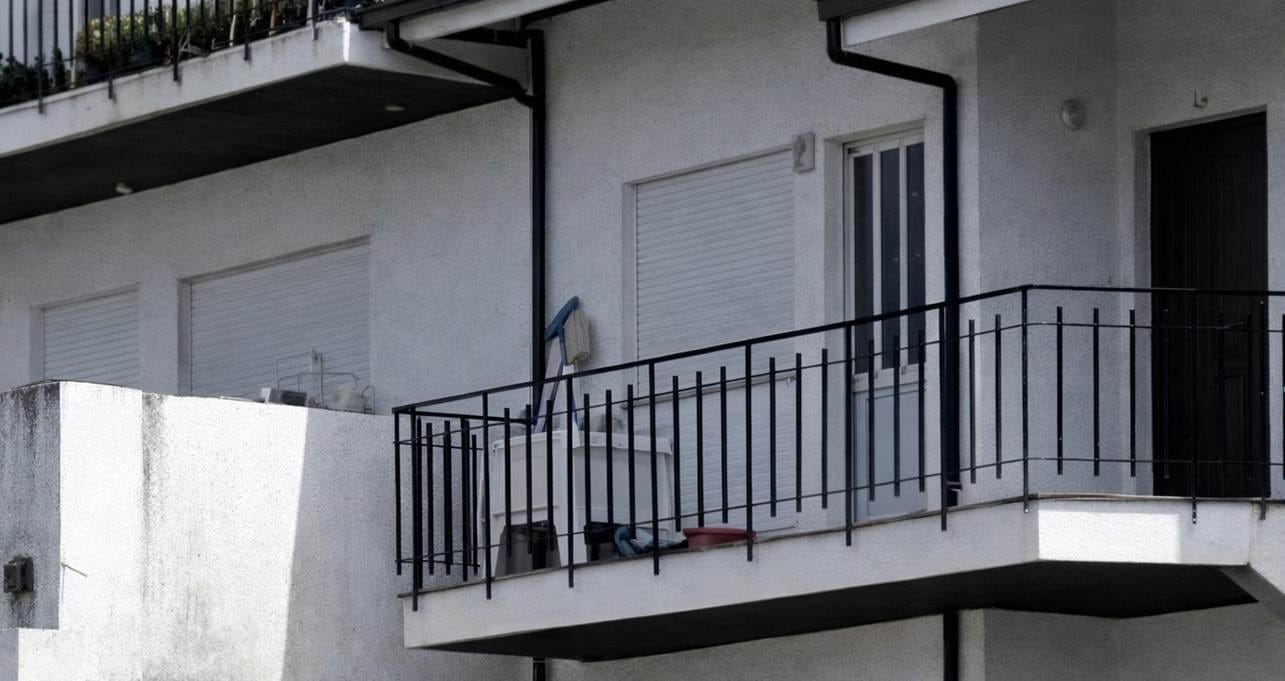
Our neighbour, Maria do Rosário, often washed her clothes in the concrete tank by the low wall outside her kitchen, which backed onto ours. I never used the tank, but when a local cat, who I had been secretly feeding, had her litter in ours, I spoke to her.
Luís told me not to “dar confiança” to the cat either.
“Soon everyone will be leaving their unwanted pets at our door when they know there is an English woman here.” But I caught him feeding it too.
Always cheerful, with kind eyes, Maria do Rosário was as tall as I was. Perhaps taller. And her feet were as big as mine. She worked at the local factory, she said. She loved the kittens, and I passed them over the wall for her to stroke. She held them gently, and smiled.
Then, one day, she confided “Estou de bebé!” (I’m expecting). Two months later, so was I. I told her about the one that I had lost. She had already lost two. Her mother, she said, had ten children, but two had died when they were babies.
“Life was hard. We slept three to a bed on straw mattresses, and had to get up early to make the fire where we cooked, and work in the fields before school.”
“And now, your parents?”
“O meu pai era mau. My father was bad. He drank a lot and ate most of the food. But he died young. My mother is alone now.”
Now life was looking up. After working in a lady’s house, from when she was ten years old, she got a job at the factory. Armando, her husband, worked on a building site. They could rent this modern flat, which had “everything”.
Then.
Armando fell.
Rosário brought him home in her old car and guided him up the slope to the flat, Armando stumbling, fragile, leaning on her arm. All the neighbours were watching, discussing the accident. There were offers of help, and someone brought them a pan of canja (chicken soup).
A few days later, she called me.
“Dona Teresa, Dona Teresa, o Dr Luís está, por favor?”
I called my husband.
Later, he told me.
“Armando had an epileptic fit in the bath. When he fell, he got neurological damage. Rosário is very hopeful, but I think he will never be the same again.”
He was right. He could never hold down a job again. His memory and balance were badly affected, so even though he tried to work in a café, then as a petrol pump attendant, he could not keep a job.
Rui was called several times after that, until medication could stabilise the epilepsy.
Rosário carried on. She grew bigger every day, and it was harder to stand over the tank when she washed the clothes.
“É vida.” She said, quietly, but still with the same kind smile.
When our babies were a few months old, I invited her in for tea several times. She sat on the edge of her seat, and would not accept so much as a glass of water. Repeating my offer three times or more made no difference.
When we all moved away, I lost track of her.
In 2017, Cousin Margarida invited me to a concert at the church. A young man was playing keyboards with remarkable skill. I looked over and saw a woman in a very old black coat and scuffed shoes watching him so proudly.
Rosário.
We hugged in a long embrace, and arranged to meet for tea.
The young man was her second son, that I had never met. She had inherited a small plot of land, and stone by stone, built a house. Armando could manage some things.
“It’s not luxurious, but it’s ours.” She said, with shining eyes.
She had eventually received insurance money from Armando’s accident and invested in a flat, which she rented out. She saved the money for her children’s education, and lived, frugally, on the minimum wage plus overtime from her job.
Then the factory closed. Now she was making cakes in a small local shop, working overtime, standing for twelve hours a day.
She never took holidays and never bought herself new clothes.
I could see that.
Luckily, we were the same size. I didn’t want to insult her, so I was cautious.
“I don’t know if you would be interested in some clothes and shoes? I need to find a solution for them.”
She was, and she was thrilled.
We meet regularly now, for lunch, or tea.
She still calls me Dona Teresa.
Both her children got degrees.
So touching.
This is life. Such a poignant story, thank you Teresa.